
Two Leaders, One Mission: Understanding the Head of School and Principal Leadership Model
How a shared leadership approach can strengthen Christian schools, support teachers, and keep the mission at the center of everything.
Leading a school is about much more than what happens in the classroom. Behind every thriving school community is a network of decisions, relationships, and responsibilities that help create the conditions for students to learn, teachers to flourish, and families to feel connected.
In Christian schools, leadership carries an additional dimension. We are not simply educating students; we are helping shape young people who understand their value as children of God, grow in wisdom and character, and learn to serve others. That mission touches every part of school life, from curriculum and classroom instruction to budgeting, staff development, family communication, and community relationships.
So, how should a Christian school organize its leadership to best support that mission?
One approach that some schools have adopted is a shared leadership model, with a Head of School overseeing the broader vision and operations of the school and a Principal focusing on the academic program and instructional leadership. While the specific titles and responsibilities vary from school to school, this model offers an interesting opportunity to consider how leadership can be structured to serve a school community well.
One Mission, Different Areas of Focus
At first glance, having two leaders at the top of a school might seem unnecessarily complicated. Wouldn't it be simpler to have one person responsible for everything?
Sometimes, a single-leader model is exactly what a school needs. In other situations, particularly as schools grow in size or complexity, dividing leadership responsibilities can allow each leader to give greater attention to the areas that most need their expertise.
Think of it this way: a school has both an educational mission and an organizational structure that supports that mission. Both are essential, and both require thoughtful leadership.
The Head of School typically focuses on the overall health, direction, and sustainability of the institution. Responsibilities may include strategic planning, budgeting, enrollment, fundraising, facilities, human resources, board relations, parent and church partnerships, and the long-term vision of the school.
The Principal typically focuses on the daily academic life of the school. Responsibilities may include curriculum development, instructional practices, student achievement, teacher coaching, assessment, classroom support, student discipline, and the ongoing development of the educational program.
These areas naturally overlap. A decision about curriculum, for example, may have budgetary implications. A staffing decision may affect instructional quality. A new strategic initiative may require both operational planning and teacher support.
The goal isn't to create two separate spheres of influence. It is to bring two complementary areas of expertise together in service of one shared mission.
Why This Model Can Work Well for Christian Schools
Christian schools often operate with lean staffing structures and limited resources. Leaders may find themselves moving from a conversation about a student's academic progress to a facilities concern, a parent meeting, a budget question, or a conversation with the church that supports the school.
The breadth of these responsibilities can be both rewarding and challenging.
A shared leadership model can offer several benefits.
Greater attention to teaching and learning. Teachers need leaders who have time to observe classrooms, discuss instructional strategies, review student data, support curriculum planning, and help navigate the everyday challenges of teaching. When academic leadership is a clearly defined responsibility, teachers can receive more consistent support.
More intentional organizational leadership. Schools also need someone looking beyond the immediate school day. Financial sustainability, enrollment, fundraising, facilities, staffing, accreditation, and strategic planning all require sustained attention. A Head of School can focus on these broader institutional needs while remaining connected to the daily life of the school.
Stronger support for teachers and staff. When leadership responsibilities are thoughtfully distributed, teachers can have clearer points of contact and more timely support. An academic question can go directly to the person responsible for the educational program, while an operational or organizational concern can be addressed by the leader responsible for those areas.
A healthier approach to leadership sustainability. School leadership can be demanding, particularly in smaller schools where a few people carry a wide range of responsibilities. A shared model can distribute the workload more intentionally, reduce the pressure on any one leader to be the expert in every area, and create opportunities for collaboration and mutual support.
City Tree Christian School: One Example of a Shared Leadership Model
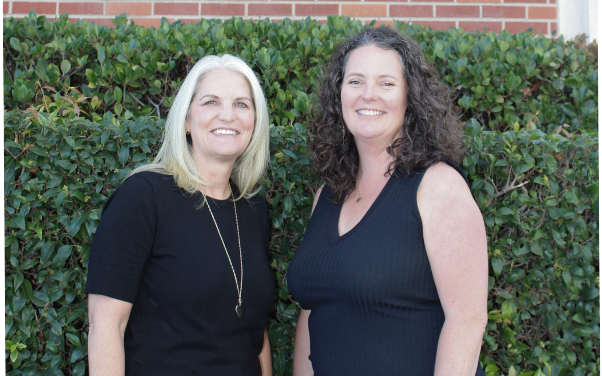
Mrs. Jennifer Nguyen (Academic Director) & Mrs. Sara Delgado (Head of School)
City Tree Christian School in San Diego offers one example of how a Christian school can structure its leadership around distinct areas of responsibility. At City Tree, the Head of School provides overall leadership for the school, while the Academic Director and Preschool Director each oversee their respective areas of the school.
The Academic Director provides focused leadership for the academic program, including curriculum, instruction, assessment, and teacher support. The Preschool Director provides leadership for the preschool program and its unique operational, licensing, staffing, and family needs.
This structure allows the Head of School to maintain responsibility for the overall mission, direction, and health of the school while ensuring that two distinct areas of the school receive dedicated leadership. It also recognizes an important reality of school leadership: the expertise required to lead an excellent academic program is different from the expertise required to lead the institution as a whole.
City Tree's model is not intended to suggest that every Christian school should organize itself in exactly the same way. Rather, it illustrates how a school can intentionally distribute leadership responsibility as its programs and organizational needs grow—without losing sight of the fact that all of the work ultimately serves one mission.
Developing Leaders for the Work of Christian Education
A leadership structure is only as strong as the people serving within it. And leading a Christian school requires a particular kind of preparation.
School leaders are educators, but they are also organizational leaders. They are responsible for many of the same functions found in other organizations—financial management, strategic planning, human resources, enrollment, fundraising, marketing, facilities, governance, and organizational culture. Yet they carry those responsibilities within the unique mission and calling of Christian education.
This is one of the reasons the Van Lunen Fellowship at Calvin University is so valuable. The Fellowship recognizes that Heads of School need training in the business and organizational practices necessary to lead a school effectively. It provides training in areas such as strategic planning, financial management, advancement and fundraising, enrollment, marketing, governance, change management, and organizational leadership.
What makes the program distinctive is the context in which that training takes place. The Van Lunen Fellowship does not separate executive leadership from Christian leadership. Throughout the program, practical training in running and leading a school is woven together with spiritual leadership, personal health, Christian community, worship, and reflection on what it means to lead a Christian school faithfully.
That combination is important. Leading a Christian school is not simply a matter of becoming a better manager. It is about becoming a better steward of an institution that exists for a particular purpose and is entrusted with the education and formation of children.
I had the privilege of participating in the Van Lunen Fellowship last year, and the experience has already had a significant impact on both my leadership and City Tree Christian School. The practical training gave me new tools and perspectives for leading our school, while the program’s emphasis on spiritual leadership and personal health challenged me to grow not only as a school leader, but also as a Christian. I have already seen the positive effects of that experience in our school, and I can say personally that the instruction and community of the Fellowship have been transformative.
That kind of leadership development matters. If Christian schools want strong, healthy institutions for the future, they need to intentionally develop leaders who understand both how to lead an organization well and how to lead it faithfully.
The Van Lunen Fellowship offers a powerful model for doing exactly that.
What Does The Head of School and Principal Model Look Like in Practice?
Imagine a school that wants to strengthen its middle school academic program.
The Principal might begin by reviewing student achievement data, talking with teachers, evaluating curriculum, and identifying opportunities to improve instruction. The Head of School might work alongside the Principal to consider staffing needs, budget implications, enrollment opportunities, and how the initiative fits within the school's strategic plan.
Together, they develop a plan that supports both the educational needs of students and the long-term health of the school.
Or consider a family who has concerns about their child's academic progress. The Principal may be the appropriate person to coordinate conversations about classroom instruction, assessment, and academic support. If the concern expands to include a broader school policy, financial consideration, or institutional matter, the Head of School may need to become involved.
In both situations, the leadership model works because responsibilities are clear, communication is consistent, and the focus remains on serving students and families well.
Keeping the Mission at the Center
For Christian schools, organizational structure should never become the mission itself.
Titles, reporting relationships, and job descriptions are tools. Their purpose is to help a school fulfill its calling more effectively.
The most important question isn't whether a school has a Head of School and Principal, one principal, or another leadership arrangement. The question is whether its structure allows leaders to give appropriate attention to students, teachers, families, and the long-term health of the institution.
Christian school leadership also carries a spiritual responsibility. Leaders are called to exercise wisdom, practice humility, steward resources faithfully, and remember that the work is bigger than any one individual.
In Mark 10:43–44, Jesus teaches His disciples that greatness is found in serving others. That principle offers a meaningful foundation for school leadership. Whether someone is overseeing a budget, coaching a teacher, meeting with a family, or planning for the school's future, the underlying question remains the same: How does this decision help us serve our community and fulfill our mission? A well-designed leadership structure can make that service more intentional and effective.
One School, One Community, One Purpose
There is no single leadership model that works for every Christian school. The right structure depends on a school's size, resources, history, culture, and particular needs.
But whatever the structure, healthy leadership requires clarity, collaboration, and a shared commitment to the school's mission.
When leaders understand their responsibilities, trust one another's expertise, and communicate consistently, the benefits reach far beyond the administrative office. Teachers feel supported. Families experience greater consistency. Students benefit from a school where the adults around them are working together with purpose.
Ultimately, the goal is not simply to build a better organizational chart. It is to create the conditions for a school community to thrive academically, spiritually, and relationally.
And that is leadership worth pursuing.
By: Sara Delgado, Head of School


Comments